
What Property Owners Should Ask Before Agreeing To A Film Shoot
Have you been approached by a producer or location manager asking to use your location for a production and didn't know what to ask? We break down best practice and what to expect when becoming a film location property owner in Ireland.
Stephanie O'Sullivan
5/13/20265 min read
Recently our residences wats app chat group had an interesting message. One of the neighbor's posted a photo in to the group chat of a typed up piece of paper that read something to the lines of: "We are filming in your area and are interested in your home for filming some scenes. If you are interested we would love to hear from you" and it was signed off with a name and a mobile number. The neighbor in question asked - "has anyone else received a letter like this also - seems dodgy?" A few more neighbors piped in to say they had also received it but didn't think it was legit and were wary. Whilst its a safe area, having on street parking only has resulted in cars being targeted and we have experienced some thefts so neighbors are on alert and perhaps more vigilant then usual. I was quick to point out to our neighbors that I had looked up the individuals name on the letter and could confirm they were in fact a legit location manager (found on the location managers guild of Ireland) and that it was typical to receive these sort of letters however a business name or credentials or some headed paper and even an envelope would have been welcomed. It did highlight what we have experienced which is a slight lack of professional representation when it comes to communication within the filming industry.
Ireland is increasingly busy with filming - it has great incentives due to the tax breaks and everything is relatively close and easy to get to but when it comes to processes it is somewhat lacking. There is no clear direction or regulatory authority to reference when it comes to being a location owner and having your home used for filming. That does work in the productions favour but not so much for the home owner. I have hosted over 60 shoots in my own home and around 10 of those bookings were filming. I have also helped other home owners facilitate 100's of shoots and filming in homes through our service. Since 2022 we have experienced quite a diverse range in how productions work and are constantly striving to improve processes. Based on this we have put together some guidelines to help others that may find themselves in a similar position to our neighbor.
WHAT TO ASK?
If you have been approached by a producer or location manager to use your home for filming here are some questions to ask:
When is filming due to start approximately and for how long?
Who is the main point of contact?
What is the name of the production company and who is the director?
What in general is the location being used for, what types of scenes, tv series or film, comedy, action etc?
What is the fee for the filming days, set up days and strike days?
What is the relocation fee?
What is the crew size?
What changes will be made to the home?
How much deposit or upfront payment to expect?
What is non refundable if it is cancelled and what is the cancellation time frame?
What are the terms relating to damages cleaning and insurance?
Can they provide a copy of the contract for review?
Will they require the location again after filming has resumed for more seasons or pick up scenes?
How will it affect neighbours?
Not all these questions can be answered at the early stages but its important to not get too far down the line without having an agreement in place on fees/filming dates/duration/purpose/details/deposits.
WHAT IS THE PROCESS?
Usually a location manager views the property first and speaks with the property owner. They take photos and videos and document it to take back to the producer or director. They can tell you a little bit about what the production is and what the property is needed for but they may not be able to reveal too much yet. They may not have any indication yet on the budget for the location but they should let you know either way. They should be able to tell you when filming is being planned for and the approximate duration - it can be anything from 3 days to 6 weeks or for a big production it could be a few months.
If the production like the location or if the location manager feels its a good fit they will require a second visit - these are known in the industry as a 'Recce" with the relevant groups. There are creative recce visits and technical recce visits. Expect multiple visit days with different groups if the property is a good fit. Sometimes there can be up to 20 people on a visit. It is better to have as many of the decision makers there at once as possible to reduce the number of visits - discuss this with the location manager and find a solution that suits everyone best.
After each recce visit the location manager should give you an update. This may include discussions around changes to the home required that the set design team will need to make. It is important to get as much information as possible in terms of no, of set up days, filming days, clearing out days, crew size and what items you need to clear away that you may want to look after yourself if they are important to you. Usually there are people to do this on the team. They photograph and catalogue it before storing it away but you should be mindful of how much you may need to do yourself too and how much time this will take you.
An indication of the fee after the second visit should be discussed if not already done so. It is important that you have a proposed fee when discussing what changes are going to be made to the home, how many days will be required including set up and clear out and how many more visits to expect. If after further visits the requirements change or escalate ensure that the fee is still aligned.
If the production want to proceed with the location and all fees have been discussed a contract should be issued for you to review and a deposit should be paid to secure the booking. Ensure you have clarified if the relocation fee is included or additional. Please bear in mind you will need to be looking at alternative accommodation during this time of planning and have some idea of how much this is going to cost you.
Notify your home insurance company with the dates and details.
In some cases you may want to ask your own legal advisor to review the contract.
The contract and booking starts on the first day of set up and ends on the last day of clear out.
Any damages costs incurred should be followed up with the location manager. They will be responsible for communicating with the production to ensure items are fixed/replaced/paid for.
In some cases where the budget is small and it is a short film there may not be a location manager involved - it is crucial in this case to be on top of the communication and requirements with the main point of contact which is usually the line producer.
If you have any questions or require assistance with your location please get in contact with us here
Alternatively if you are interested in becoming a location home please submit your location here
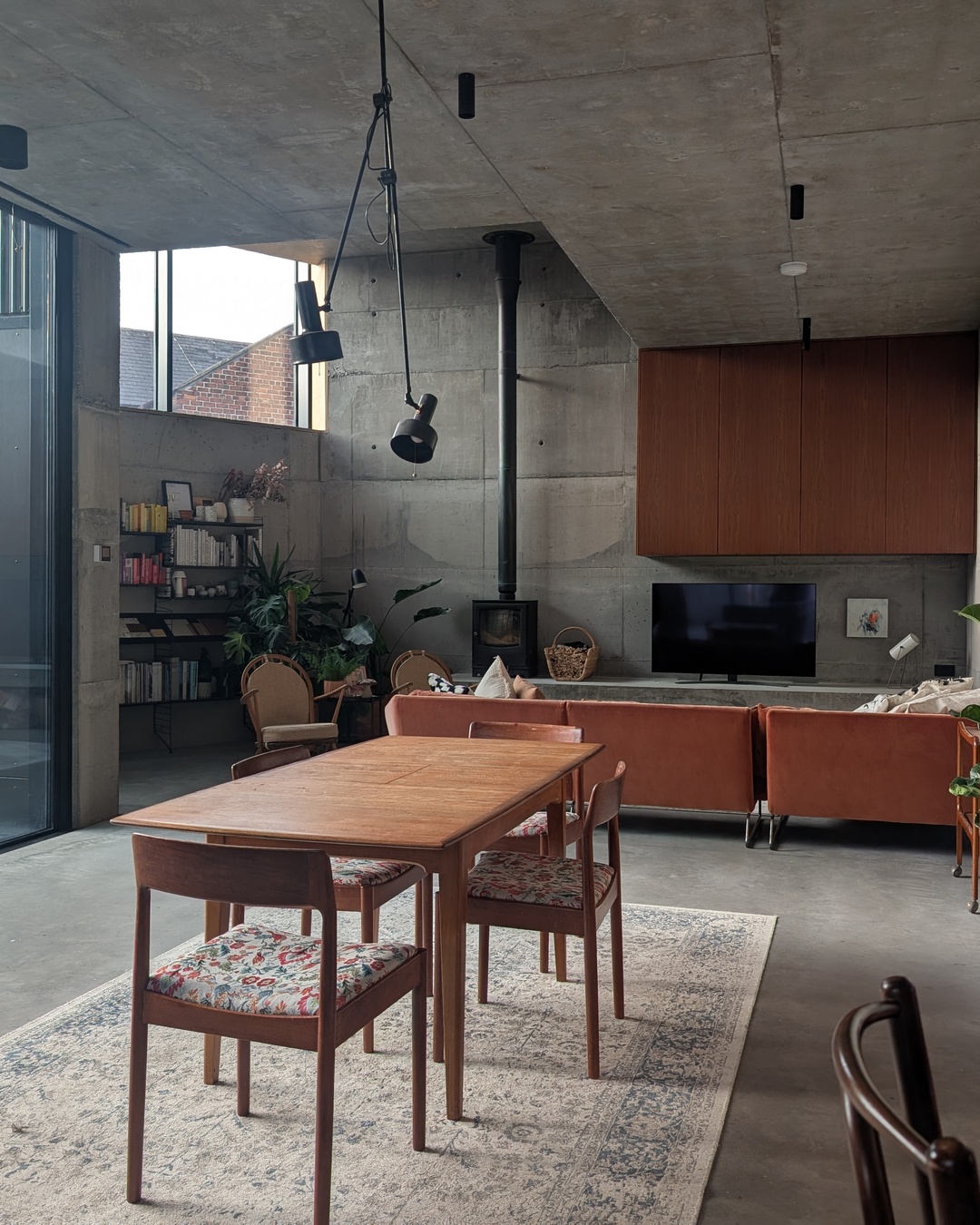
Pictured: Coal Lane House, Location House Dublin, Ireland
Explore our extensive database for productions.
Support
© 2025. All rights reserved.